Plumbing Repair
 Water Heaters
 Gas Lines & Appliances
 Gas Leak Detection
 Drain Cleaning
 Sewer Line Services
 Leak Detection
 Repiping
 Water Softeners & Filtration
 Fixture Installation
 Emergency & Same-Day
How to Freeze-Proof Your Pipes Before North Alabama's Next Hard Freeze
Huntsville has dropped to 15°F or colder every winter since 2022. Here's how to protect crawlspace pipes, hose bibs and water heaters before the next cold snap.
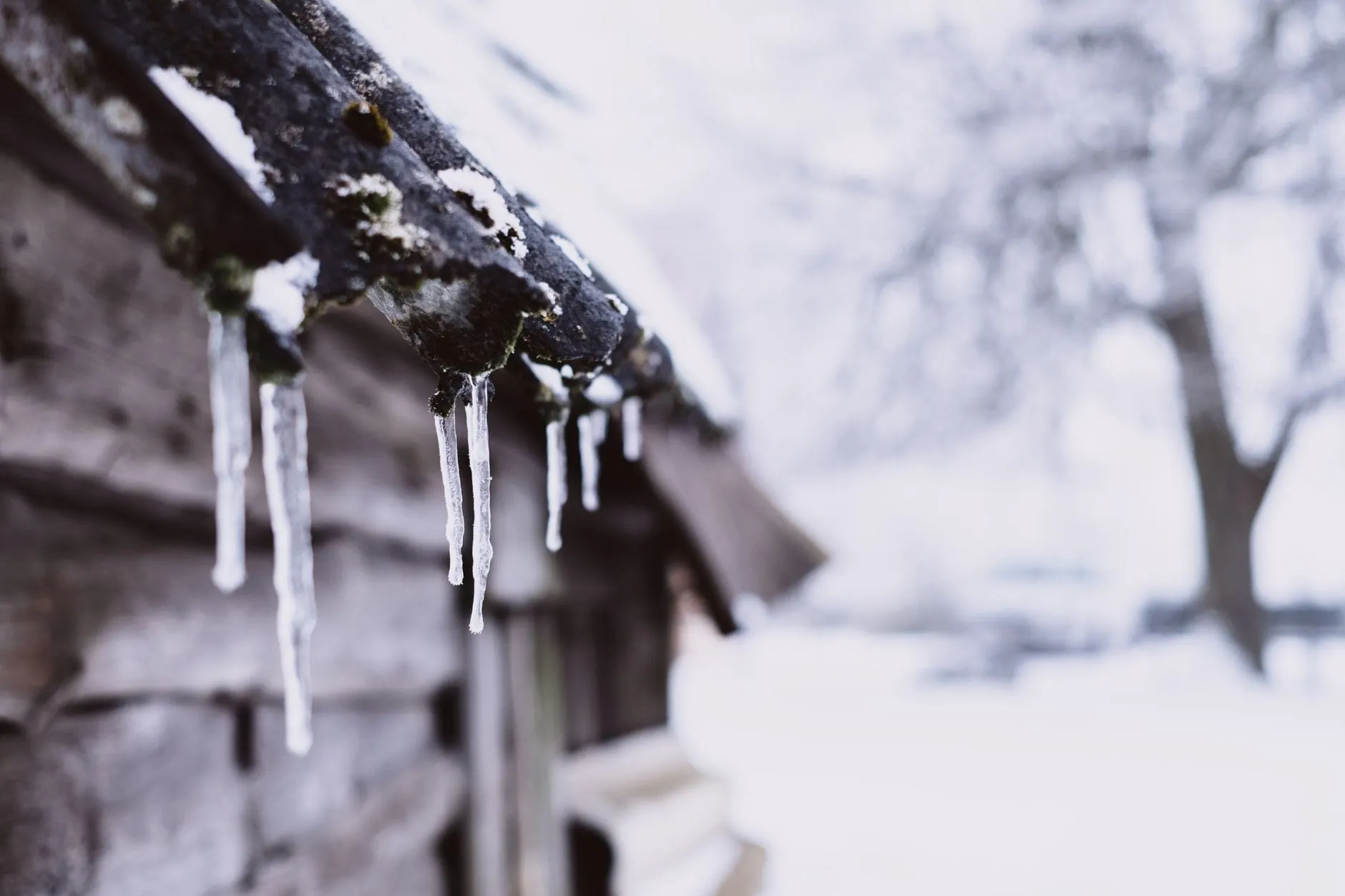
North Alabama doesn’t get many hard freezes, and that’s exactly the problem. Homes here aren’t built like homes in Minnesota. Pipes run through crawlspaces, exterior walls and attics that were never meant to see single digits.
But single digits keep showing up. At Huntsville’s airport, the low hit 3°F on December 23, 2022, 8°F in January 2024, and 10°F in January 2025. In late January 2026, lows sat in the teens for nearly a week, and Huntsville Utilities reported numerous burst pipes across its service area. Every winter since 2022 has dropped to 15°F or colder at least once.
Burst pipes inside your home are the homeowner’s responsibility, not the utility’s. Here’s how to get ahead of it.
Before the cold arrives (do this now)
1. Find your main shutoff and make sure it works. It’s usually in the crawlspace, garage, or near the water heater. Some homes only have the curb valve at the meter box. Turn it off and on once. Old gate valves often won’t close all the way, or start leaking when moved. Better to find out on a calm November afternoon.
2. Insulate exposed pipes. Foam pipe insulation from the hardware store is cheap and effective on crawlspace and garage pipes. Pay special attention to pipes near foundation vents and along outside walls.
3. Close crawlspace vents and cover gaps. Cold air pouring through a foundation vent is the #1 reason crawlspace pipes freeze here. Close the vents for the winter (or cover them with foam blocks) and seal gaps around pipe penetrations.
4. Disconnect hoses and cover hose bibs. A hose left attached traps water in the faucet, where it freezes and splits the pipe inside the wall. You won’t know until spring when you turn it on. Disconnect hoses and add foam covers. Better yet, upgrade to frost-free hose bibs.
5. Know where your water heater shutoff is. If a pipe bursts, you’ll want to shut off the water heater too.
When a hard freeze is forecast
- Let faucets drip on exterior walls, both hot and cold. Moving water is much harder to freeze.
- Open cabinet doors under kitchen and bathroom sinks on outside walls.
- Keep the thermostat steady day and night, even if you’re traveling. Don’t drop it below 55°F.
- Keep the garage door closed if there are water lines or a water heater in the garage.
- Don’t use an open flame to thaw a pipe. Ever.
If a pipe freezes
If a faucet slows to a trickle or stops, a pipe is probably frozen. Leave the faucet open. Warm the suspect section with a hair dryer or space heater (kept safely away from anything flammable), working from the faucet back toward the frozen section.
If a pipe bursts
- Shut off the main water valve immediately.
- Turn off the water heater (gas to “pilot” or “off”; electric at the breaker).
- Open the lowest faucet in the house to drain pressure.
- Call a plumber. Then call your insurance company. Take photos first.
Let us do it for you
Our Freeze-Prep Visit ($179) covers it in one trip: insulating exposed crawlspace or garage pipe (up to 20 ft), installing hose bib covers, testing and exercising your main shutoff, and a written list of freeze risks with photos. Frost-free hose bib upgrades are quoted on the spot.
Book a Freeze-Prep Visit before the next cold snap.